Death, the inevitable end of life, has been a profound and transformative experience for humanity since the beginning, or at least as far back as we are able to look. In the face of loss and grief, humans across cultures and civilisations have turned to rituals as a means to navigate the complex emotions and uncertainties that surround death. These rituals, steeped in tradition and symbolism, serve as a bridge between the living and the deceased, offering solace, comfort, and a sense of continuity in the face of profound loss. In this blog, we delve into the deep-rooted importance and fascinating history of death rituals, exploring how they have shaped and sustained human communities throughout the ages. My reason for doing this has come from the rapid growth of direct cremations. I wonder how many people who pick this option actually do anything to say good bye when they get the cremated remains back. Death rituals are one of the complex behaviours that marks the intelligence of an animal. Us, Chimpanzees, Elephants, Orcas, and other complex animals that live within communities share loss through interactions, communications and actions. Something that hasn’t been looked at enough is the effect that not performing any sort of ritual can have on both an individual and the community they live within. As technology allows us to interact less, loneliness, stress and depression are spoken about more and effect a growing number. Interaction is an important part of our being, especially when a loved one dies. So, I wonder if the lack of a ritual or act increases the sadness we feel.
The Importance of Death Rituals:
Death rituals play a crucial role in helping individuals and communities cope with the loss of a loved one. They provide a structured framework for mourning, allowing individuals to express their grief, honour the deceased, and find closure. By engaging in age-old customs and traditions, mourners are able to make sense of death, reaffirm their connections to the deceased, and seek comfort in the shared experiences of their community.
Moreover, death rituals serve to mark the transition from life to death, guiding the deceased on their journey to the afterlife and ensuring that they are remembered and respected by future generations. These rituals help to preserve the memory and legacy of the departed, keeping their spirit alive in the hearts and minds of those who knew them.
On a broader societal level, death rituals serve to reinforce social bonds, strengthen community ties, and provide a sense of continuity and stability in the face of loss and upheaval. By coming together to mourn and commemorate the deceased, individuals are able to draw strength and support from their shared cultural and religious practices, fostering a sense of belonging and solidarity in times of grief.
History of Death Rituals:
The practice of death rituals dates back thousands of years and is deeply woven into the fabric of human history. Archaeological evidence suggests that our ancient ancestors, such as the Neanderthals and early Homo sapiens, engaged in some form of ritualistic behaviour surrounding death, including burial practices and the placement of grave goods.
In ancient Egypt, death rituals played a central role in the belief system and funerary practices of the civilisation. The elaborate process of mummification, the construction of grand tombs and pyramids, and the recitation of funerary texts such as the Book of the Dead were all integral parts of ensuring a successful journey to the afterlife for the deceased.
Similarly, in ancient Mesopotamia, the Sumerians, Babylonians, and Assyrians placed great importance on death rituals, with elaborate funeral ceremonies, offerings to the deceased, and the belief in an underworld populated by gods and spirits. These rituals were seen as essential for ensuring the deceased’s safe passage to the afterlife and for maintaining harmony between the living and the dead.
In medieval Europe, Christian death rituals such as requiem masses, funerary processions, and the lighting of candles played a central role in commemorating the deceased and praying for the salvation of their souls. These rituals were deeply intertwined with the Church’s teachings on death, judgment, and the afterlife, providing a framework for understanding and coping with mortality.
Contemporary Perspectives:
In the modern world, death rituals continue to hold significance for individuals and communities across the globe, albeit in evolving forms that reflect changing cultural, religious, and social norms. Communities within the western world are evolving greatly and with growing numbers of people turning slightly away from tradition we have experienced a growth in individuality. People doing things as they want to do. This is a wonderful thing as people are given the power to say good bye to someone as they wish, that suits them.
Giving people more freedom to choose puts the power and responsibility in there hands. For many when arranging a funeral this greatly increases the pressure. This is why it is so important to talk about your funeral wishes, your legacy. The conversation should be something that is just done and not be surrounded by the taboo it is.
To Conclude:
It is obvious when looking back at the behaviour of our species that death rituals have always been an important part of all the societies that have spread through our history. Different cultures have had their own way of dealing with death, and from what our historians show us each culture or historical group had their own standard ways that suited their beliefs. Things are certainly changing and continue to change, I am not sure if it is because I am getting older but things change faster and faster, to a point where it can be hard to keep up.
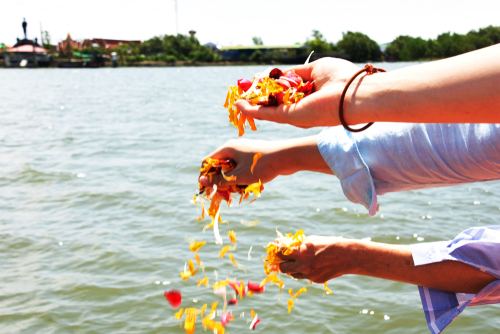
In these last few sentences, I want to focus in on why I actually started writing this blog. I believe we do have a place for the direct cremation, it benefits those who may struggle to afford any other choice. It benefits those who simply don’t want the pressures that comes with the decisions of a funeral, and it gives people another option who may not want any fuss. However, the issue with direct cremations is it takes away any sort of ritual, any sort of either an individual or a community to be able to come together and say goodbye. The ability to do this must have a profound effect on people as they move on through their lives. I would imagine it would even affect the next generation in the future when they get to a point when of coming to terms with their own end of life. Death isn’t something we can just forget about, it isn’t something we can just ignore and brush under the table. I would implore anyone who has a loved one having a direct cremation to at least think about what they will do personally to say goodbye. It could just be lighting a candle, having a fire and burning a letter, or simply sitting somewhere and silently remembering times gone bye. I have sat with many people over the years when they have simply taken 20 minutes out of their busy lives to think about or talk about a lost loved one. It always has a positive effect on them, maybe not at the time but in the future they are always glad they took that time out to think, both mentally and physically saying a personal good bye to someone.